Biology Practical Topics
Senior Secondary biology practicals — notes, figures, experiments, questions and an AI tutor for every topic.
Showing 16 topics
Introduction to Biology Practicals
Biology is a practical-oriented science that deals with the study of living organisms and their interactions with the environment. At the Senior Secondary School One (SS1) level,…
 SS 1
Cells and Microscopic Organisms
Microscopic organisms are so tiny that they are invisible to the naked eye. In Biology practical examination, you may not be given microscopic organisms because they are invisible…
 SS 1
Osmosis and Diffusion
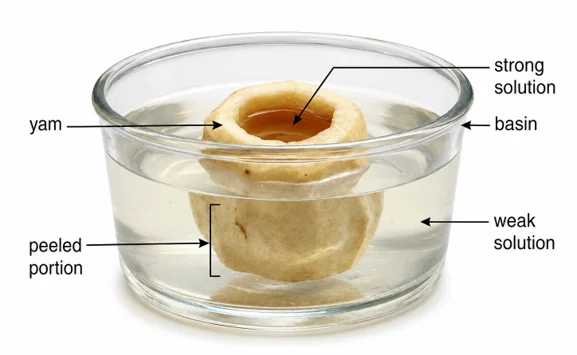
A solution is made up of a solvent and a solute. The solute is the substance which is dissolved, and the solvent is the medium in which it is dissolved. The quantity of solute,…
 SS 1
Supporting Systems and Movements
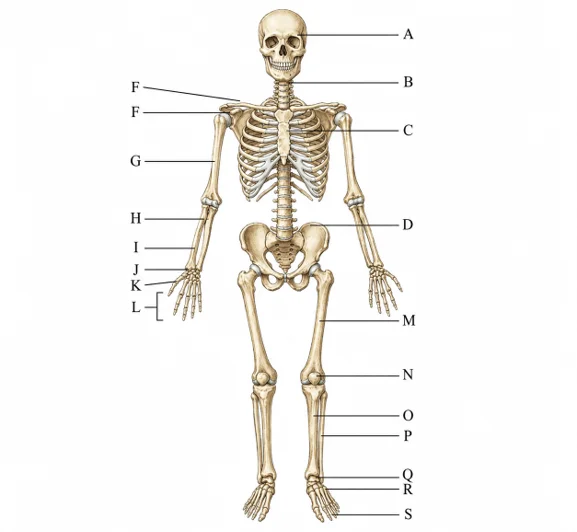
The Skeleton is the frame-work (hard structure) of the body which supports, protects and maintains the shape of an animal. Supporting system is important for posture and…
 SS 1
Food and Digestive Enzymes
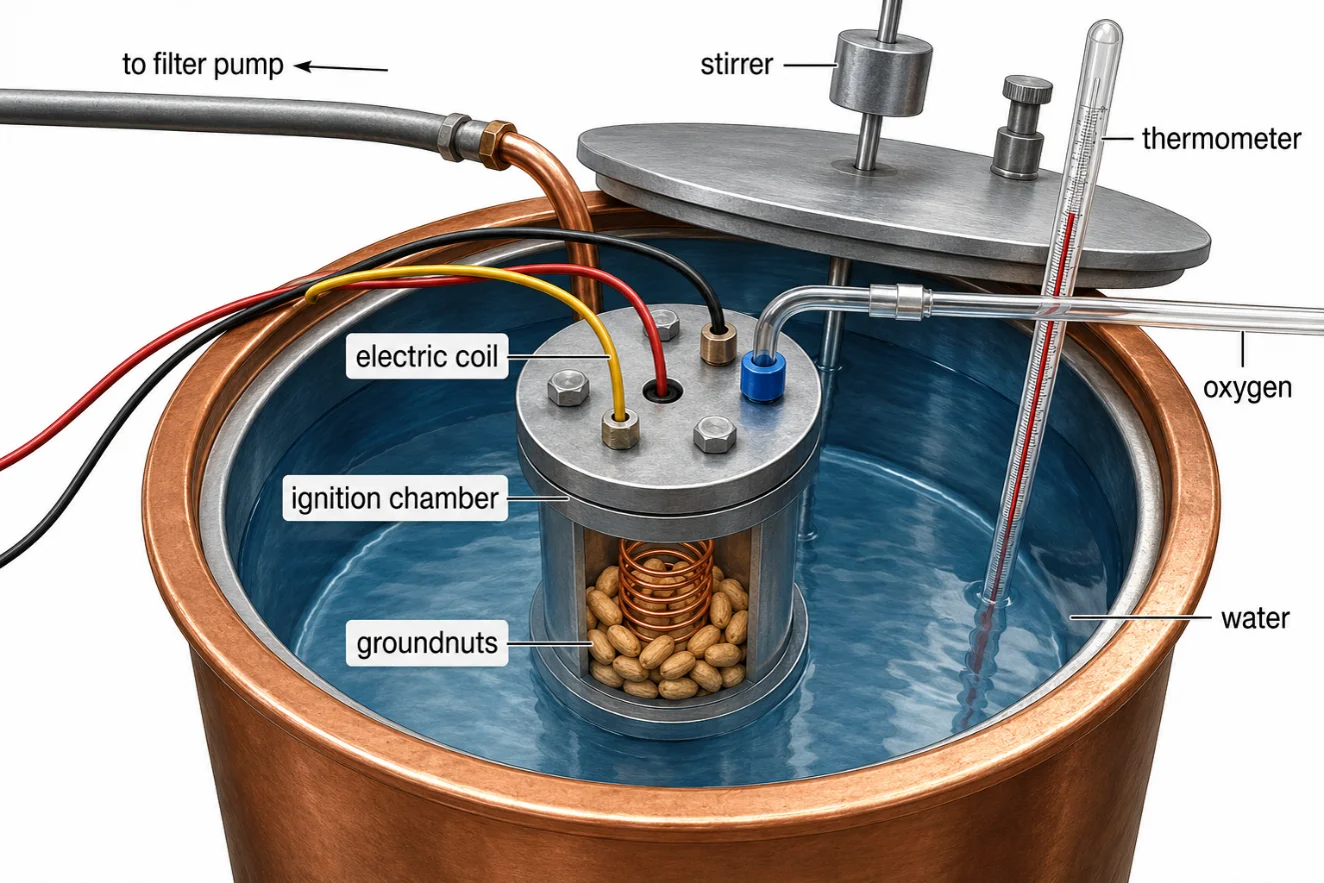
You may be required to carry out simple tests for food in your practical work. Most of the food we eat consists of carbohydrates, proteins and fats.
 SS 1
Ecology
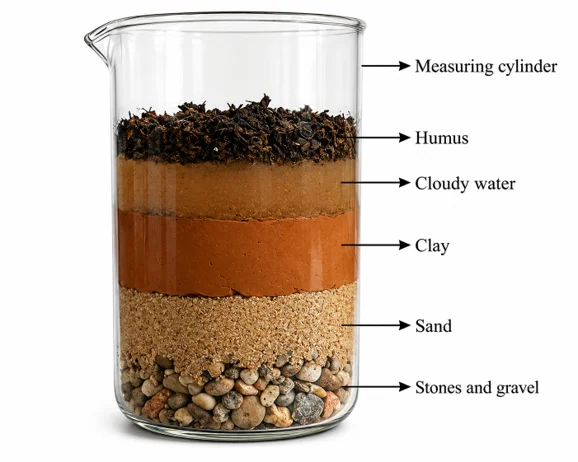
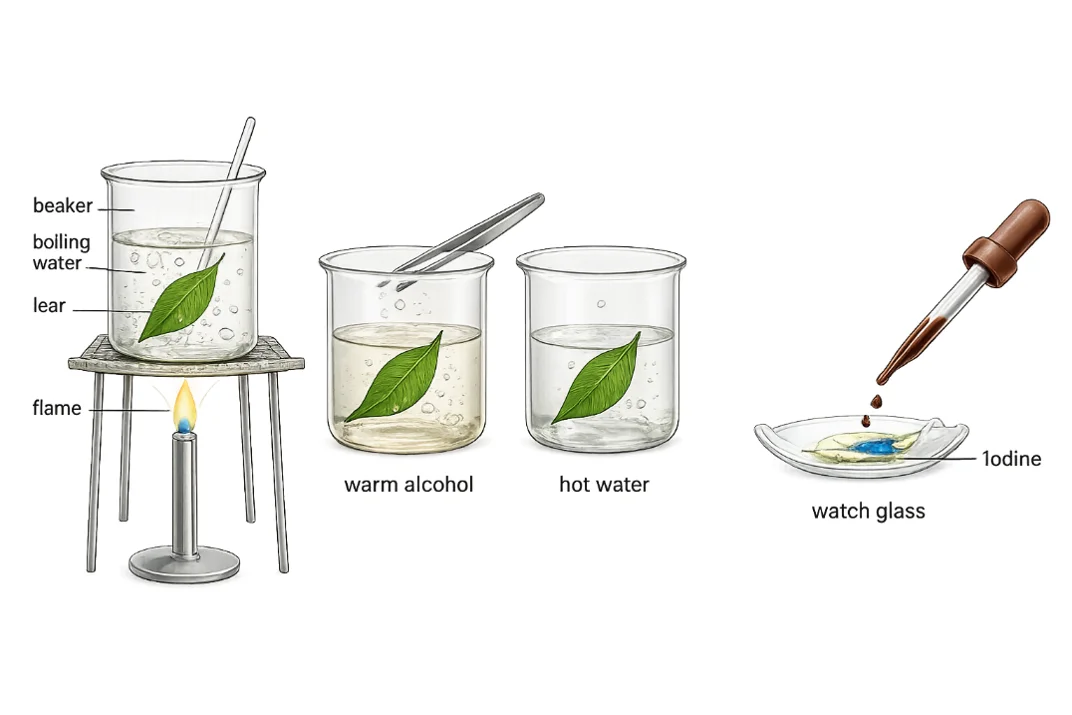
Soil can be defined as the outer most layer of the earth crust formed from broken and weathered rocks, decaying organic matters. It is a complex mixture of particles of various…
 SS 2
Photosynthesis
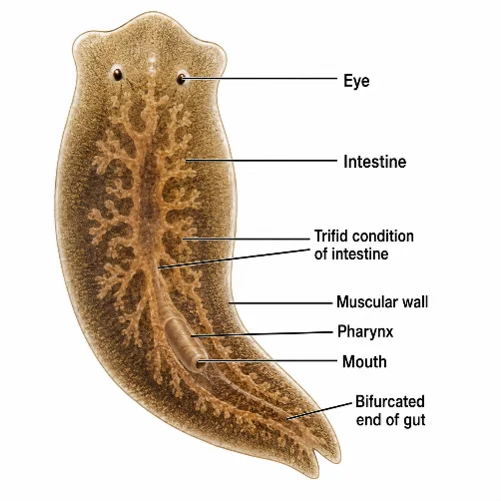
Sunlight, carbon dioxide, water and chlorophyll present, green plants can build up carbohydrates. This process, which takes place mainly in the leaves, is called photosynthesis.…
 SS 2
Digestive System and Feeding Habits
Food is taken into the alimentary tract or canal, gut or gastro-intestinal tract, for digestive purposes. For the purpose of taking in food into various tracts, teeth, tentac1es,…
 SS 2
Transport System
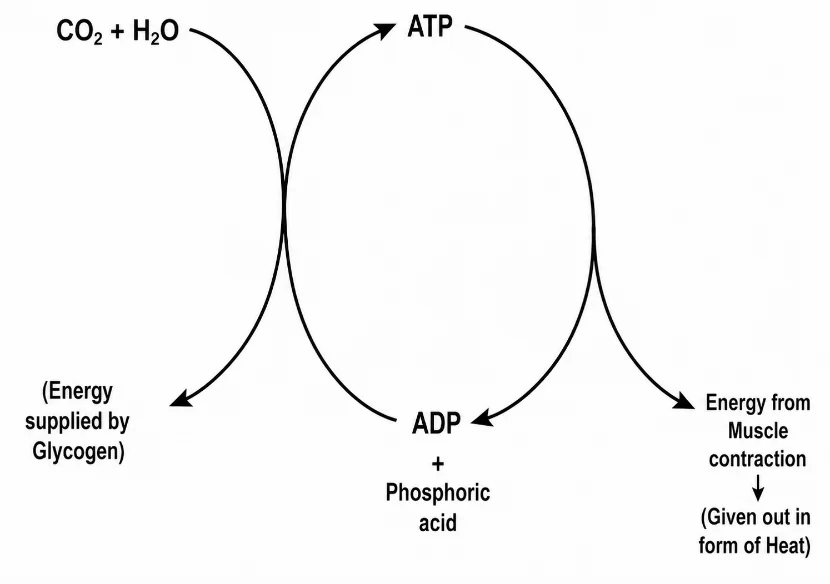
In a simple cell like Amoeba all required oxygen can be taken in and carbon IV oxide can be efficiently got out of the body. This is because in such small organisms, area to…
 SS 2
Respiratory System
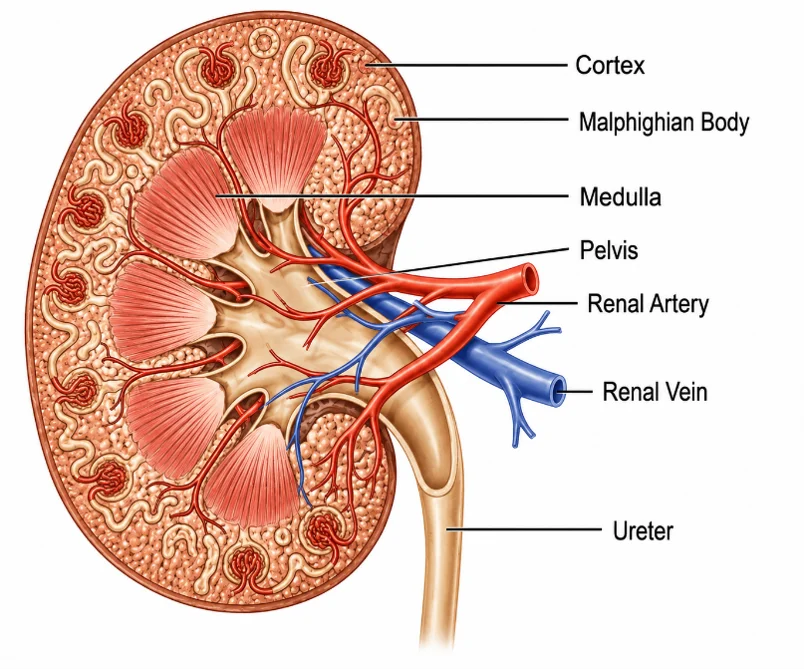
Respiration has been a sort of controversial topic to students, teachers, and even textbook authors. Misconceptions from different directions have got an inroad into classrooms…
 SS 2
Excretory Systems
The types of excretory systems are related to size behaviour. and the ecology of the organisms concerned. Think for a while about sizes of organisms, following evolutionary trends…
 SS 2
Reproductive Systems, Behaviors, and Development
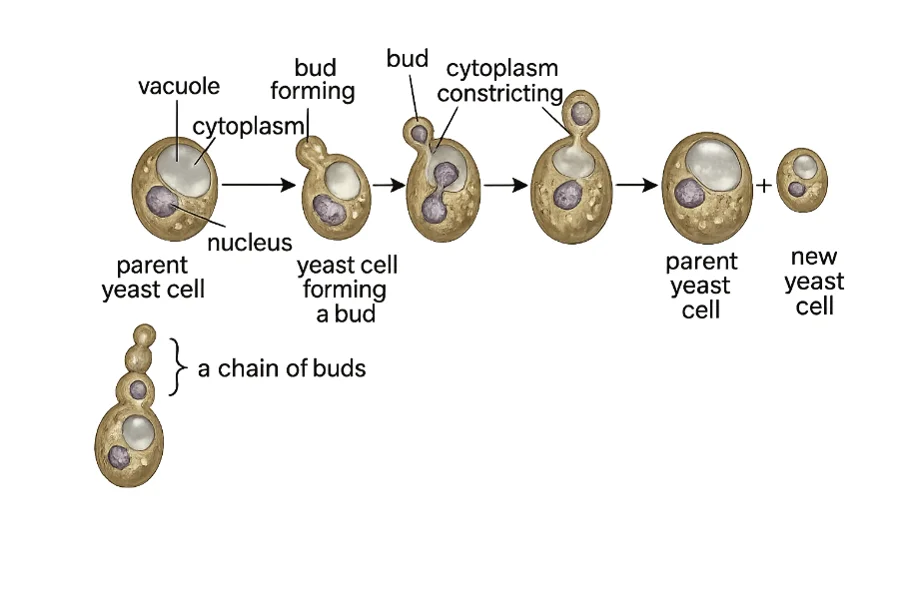
All living things reproduce since life span is limited. Reproduction is necessary for increase in number and perpetuation of life, and therefore, organisms must reproduce…
 SS 3
The Flower
A flower is the part of a plant which is specially modified for sexual reproduction1. It is concerned with the production of seeds and fruits. In order to carry out a successful…
 SS 3
Fruits and Seeds
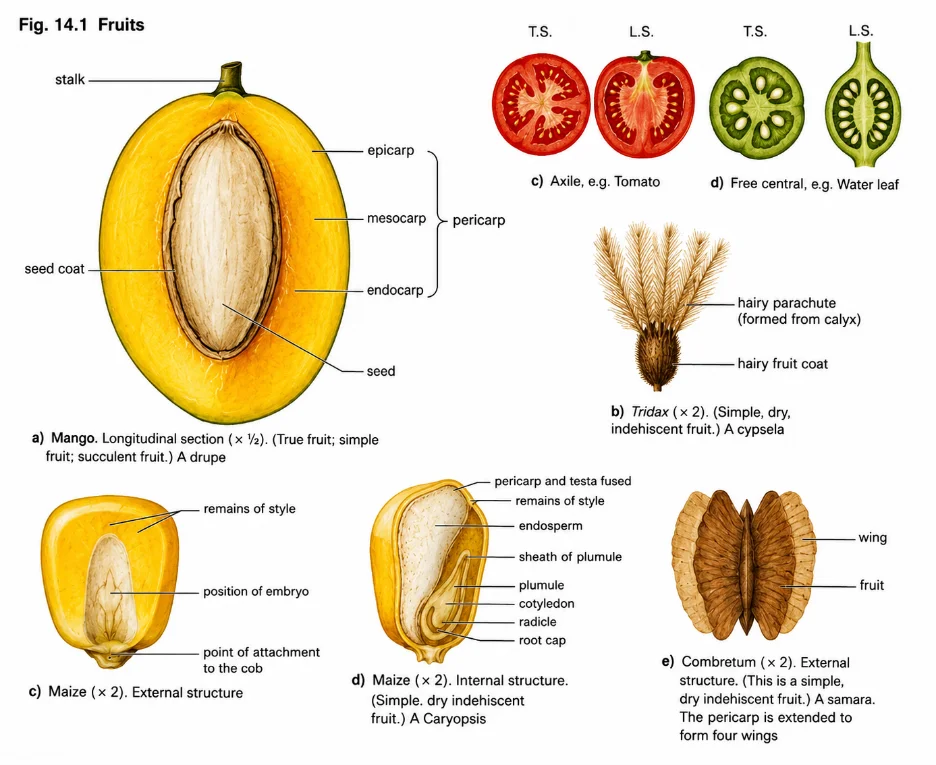
Before you begin a practical study of fruits, you should have some knowledge of how they develop and the various types. Fruits develop from flowers after pollination and after…
 SS 3
Plant Movement
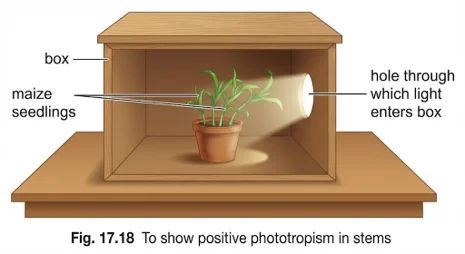
Plants show tropic movements (tropisms). These are movements in response to external stimuli which come from one particular direction. The direction of response depends on the…
 SS 3
Heredity, Variation, and Evolution
In this chapter, we shall examine some aspects of the transmission of characteristics from parent to offsprings. To do this, you will need to recall some of what you learned in…
SS 1 Achievement Test
100 multiple-choice questions covering the full SS 1 syllabus
SS 2 Achievement Test
100 multiple-choice questions covering the full SS 2 syllabus
SS 3 Achievement Test
100 multiple-choice questions covering the full SS 3 syllabus